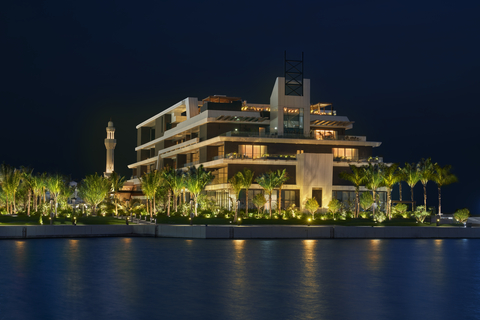
The Jeddah EDITION (Photo: Business Wire)
JEDDAH, Saudi Arabia, May 21 (Bernama-BUSINESS WIRE) — As Saudi Arabia sets its sights on creating a modern, thriving society through the goals outlined in its Vision 2030 roadmap, EDITION Hotels debuts in Jeddah, serving as a testament to this commitment of transformation. By capturing the vibrant spirit and unique character of Jeddah, EDITION Hotels is not just opening its first property in the region but introducing a category-defining concept that aligns seamlessly with the aspirations of the Kingdom’s manifesto for change.
This press release features multimedia. View the full release here: https://www.businesswire.com/news/home/20240520435394/en/
The opening of The Jeddah EDITION on May 2, 2024, marks a pivotal moment; reflecting Saudi Arabia’s quest for economic and societal diversification, the property is a physical representation of the country’s pledge to empower its citizens and foster growth. Jeddah, with its rich history as the gateway to Mecca and a bustling hub of trade and culture, epitomizes the essence of “Jeddah Ghair” – a city that defies convention and embraces difference. In this dynamic metropolis, where tradition meets modernity, EDITION’s arrival signifies a new dawn.
As the world’s perception of Saudi Arabia evolves, The Jeddah EDITION stands as a symbol of the Kingdom’s journey towards a progressive future. With its multicultural ethos and innovative approach, this new addition to the EDITION family promises to redefine hospitality in the region, setting the stage for an era of growth and prosperity.
The unveiling of The Jeddah EDITION represents an exceptional collaboration between Marriott International, EDITION Hotels, and Yabu Pushelberg, uniting under the visionary leadership of Sela and its Managing Director, Dr. Rakan Al Harthi. The partnership epitomizes a delicate balance, merging Jeddah’s vibrant culture and rich traditions with the brand’s fervent spirit, sophistication, and passion for pushing boundaries. From this fusion emerges a singular entity, transcending the sum of its parts to seamlessly blend the essence of the East with the innovation of the West, creating an unparalleled hospitality experience.
Josh Fluhr, EDITION’s Senior Vice President and Global Managing Director, comments, “In this transformative time in the country’s rich history, we’re thrilled to further expand the EDITION brand in Saudi Arabia. Through our inspired partnership with Dr. Rakan Al Harthi and his team, we’re bringing EDITION’s unique concept to Jeddah, which is destined to evolve the luxury standard in the Kingdom.”
The Jeddah EDITION boosts Saudi Arabia’s exciting journey of transformation where refined sophistication, style and a new era of quiet luxury collide. Located on the Jeddah Corniche – a 30km coastal resort area along the Red Sea – the urban resort is steps from the Jeddah Art Promenade, and a short drive from destinations like Al-Balad, a UNESCO Heritage site in the historic part of the city, and The Red Sea Mall. Perched atop one of the most exciting corners of the Saudi Arabian Grand Prix Circuit – the fastest Formula 1 track – adjacent to the Jeddah Yacht Club and Marina, the hotel settles neatly into its location within a sleek low-rise building designed to resemble a superyacht. As night falls, the Marina transforms into a destination of hospitality where locals enjoy late evenings of dining and shopping along the waterside.
Amid an oasis of landscaped gardens interspersed with eight-metre-tall palm trees, the property is creatively programmed and concepted by EDITION, and unfolds like a four-story theatrical piece. Designed in partnership between EDITION and international design studio Yabu Pushelberg, the hotel remains firmly rooted in the EDITION brand’s strong sense of refined simplicity and style. The property showcases 52 rooms and 11 suites including two Penthouses, a rooftop terrace with a pool, spa, gym, as well as two lounges and a signature restaurant with meticulously curated culinary concepts by acclaimed New York chef, Cédric Vongerichten.
As with all EDITION properties, the Lobby areas serve as the hotel’s lively beating heart, enveloping guests with the property’s signature scent upon entry into the open-flow lobby. Beneath soaring 12-metre-high ceilings, a large orange acrylic sphere by artist Vincent Leroy takes centre stage. Inspired by Jeddah’s famous sunrises and sunsets, the morning light radiates through the installation, dispersing a warm spherical glow onto clean-lined, custom-brushed white oak walls and travertine floors. The reception area – anchored by a walnut panelled niche and sculptural solid walnut desk – is met with upholstered wingback chairs intimately grouped with a prized Iranian silk Persian rug as well as Christian Liaigre console and lighting. The ground floor elevator lobby creates a picturesque moment of its own, boasting a molded and oxidized tinted glass mirror by artist Christopher Gaignon.
Adjacent to the lobby is the light-filled Lobby Lounge, which seamlessly flows from one convivial space to the next. Flanked by two large-scale golden acrylic wooden panel paintings by New York City-based artist John Jackson, the pieces reflect the evolving daylight, amplifying the golden yellow hues while paying homage to both Saudi Arabian culture and Jeddah’s unforgettable sunsets. In an elegant contrast, the space is dotted with curvilinear Molteni&C sofas, Henge tables, and white linen Avenue Road club chairs arranged around white marble coffee tables.
In the adjoining Lobby Bar, a black-and-white photography series by artist Richard Phibbs, an original royal purple billiard table by Blatt Billiards, and a custom gold leaf framed mirror above a Nero Marquina marble counter set the stage. Oak coffee tables and Christian Liaigre furniture in the warm and inviting space are layered with American black walnut wood flooring, plaster walls with moulding details, and full-height sheer white linen drapery. From day to night, the Lobby Bar will be the social nexus of the city, where guests will indulge in handcrafted beverages, coffee by a local roaster, and a selection of teas served alongside a menu of light bites and an incredible array of pastries. Outside, the expansive alfresco terrace, which spans the entirety of the building, provides a seamless flow of connection across the venues, with a bocce ball court, Red Sea vistas and views of the Floating Mosque.
Maritime, a name that reflects the spirit of culinary exploration, is the hotel’s signature contemporary French-Asian restaurant concepted by renowned chef Cédric Vongerichten. Recognized by Zagat as one of the top 30 chefs under 30, chef Cédric has honed his craft in some of the most celebrated kitchens around the world, including three-Michelin-starred El Bulli in Spain. His distinguished career at the most prestigious restaurants echoes his prolific chef and restaurateur father, Jean-Georges Vongerichten.
“Maritime is inspired by my love of Asian flavours, which began during my years living in Bangkok, in harmony with my passion for French cooking techniques. I’ve created a menu that reflects diverse cultures and features the aromatic spices of the region alongside the finest local ingredients” says chef Cédric Vongerichten.
Maritime, open from sunrise to late evening, serves perfectly executed dishes designed to be shared. Spice is at the forefront, adding depth, flavour and aroma while merging Asian and Arabian sensibilities. Explore exquisite culinary creations like local shrimp dumplings accompanied by lemongrass beurre blanc and caviar, complemented by innovative non-alcoholic beverages such as the Saffron Spritz, featuring ginger honey and fresh saffron to tantalize your taste buds. The space holds two private dining rooms and an open show-kitchen; the design mirrors the cultural abundance of the culinary offerings. The interior reveals curved light plum velvet banquettes, walnut dining tables, and Thonet chairs with natural caning. Rich details such as distressed glass mirrors, potted banana leaf plants, blue and white Chinese pottery, and a prized Iranian silk Persian rug beneath the communal dining table complete the lively space. Overlooking the Red Sea, the restaurant’s terrace is ensconced by potted plants and over 150-year-old olive trees, while pink bougainvillea-covered pergolas provide protection from the blazing sun as long lunches effortlessly flow into golden hour drinks and dreamy dinners.
Follow the oak-panelled corridor to a partition of teal blue velvet drapes leading to The Den, a secluded haven for cigar aficionados to unwind. Unique to the EDITION portfolio, the intimate, low-lit lounge is dressed in custom tufted teal blue velvet banquettes and outfitted with rich brown armchairs and stools. The walls are adorned with whimsical photographs by artist Christian Vieler encased in classical ornate frames that depict the unbridled joy of dogs catching treats, adding a quaint layer to the space. From the lacquered rosewood countertop, bespoke coffees and non-alcoholic beverages, such as The Den Sour, are best enjoyed with light bites from chef Cédric Vongerichten, followed by a hand rolled cigar underneath the stars on the private terrace, creating a dream escape for cigar lovers near and far.
Nestled between the hotel’s third and fourth floors lie the 52 rooms and 11 suites, making for the ultimate urban retreat. Rooms are an understated haven that spotlights the artistry and craftmanship of EDITION’s signature design approach, with travertine bathrooms seamlessly leading to bright, white oak spaces and terraces boasting vista views to take in either the Red Sea or the F1 track. Each room is masterfully designed to be a calming space. Layered with travertine flooring, white oiled oak wall panelling embellished with black-and-white photographs of old Jeddah, and custom furnishings such as the inset leather headboards, accommodations are a vision of muted luxury. Freestanding bathtubs and signature EDITION Le Labo toiletries complete the serene enclave.
The Penthouse and Royal Penthouse set The Jeddah EDITION apart, providing a truly indulgent experience like no other. Spread over 240 sqm, the two-bedroom Penthouse encompasses two ensuite bathrooms and features a bright, spacious living room with a Christophe Delcourt sofa, Nienkemper metal coffee table and Liaigre bronze armchair and side stools. The exquisite dining room includes a 10-seat white marble table, and an additional seating area is equipped with Liaigre black wood lounge chairs, white linen upholstery, and a Holly Hunt Tudor coffee table. An expansive and lushly landscaped wrap-around terrace overlooking the Red Sea, Jeddah Yacht Club, and Formula 1 racetrack features two separate lounge areas perfect for private dining. There is also direct access to a private staircase to the pool deck and The Roof.
At the other end of the property, also offering front-row seats to the Grand Prix as well as views of the Red Sea and revered Floating Mosque, Al Rahmah, sits the Royal Penthouse, a spectacular 600 sqm duplex set over the third and fourth floors. Curated to cater to your every need, the Royal Penthouse features an elegantly landscaped terrace with an eating area and arrangement of living spaces along with private elevator access, an in-suite pantry, and a lower-level room for private security. Bright interiors unfurl to include a casual and formal sitting room, dining room, and two bedrooms with their own living rooms, extensive walk-in wardrobes, indulgent bathrooms, and blissful views of the Red Sea. In true EDITION fashion, the Penthouses are elegant and refined in neutral tones elevated with curated artwork and furnishings by Christophe Delcourt and Christian Liaigre. Floor-to-ceiling shelves with l’objets d’art and an array of books covering everything from fashion to architecture and art polish the space, giving a residential feel.
On the fourth floor, The Roof is a dreamy Mediterranean beach club-inspired escape. Perfect for locals and travellers alike, it features a series of private nooks and lounges ensconced by greenery against panoramic views of the vibrant Marina, Jeddah Yacht Club and F1 track. A sleek 14-metre pool is lined with sunbeds, bougainvillea-shaded cabanas, and dotted with Mediterranean-style potted plants. The menu features a variety of wood-fire cooked a la carte and sharing dishes, such as the grilled octopus served with fingerling potatoes topped with labneh, to be enjoyed after a day spent drinking frozen pressed juices or iced frappés poolside. The fourth floor is also home to a gym and The Spa where its warm walnut panelling and soft lighting beckons. An intimate and lowkey space with three treatment rooms – each with its own changing areas – the entrance is decorated with paintings by Copenhagen-based Anne Nowak while the menu comprises everything from facials to massages, using Natura Bissé products from Barcelona.
As The Kingdom of Saudi Arabia enters a progressive new era, The Jeddah EDITION is a one-of-a-kind hotel supporting Saudi Arabia’s Vision 2030 and putting one of the country’s most exciting cities on the map.
The Jeddah EDITION
7044 Al Kurnaysh Br Rd, Ash Shati, Jeddah 23613, Saudi Arabia
info.jed@editionhotels.com
Hotel: +966 12 514 0000
Reservations: +966 12 514 8787
ABOUT EDITION HOTELS
EDITION Hotels is an unexpected and refreshing collection of individualized, customized, one-of-a-kind hotels that redefines the codes of traditional luxury. Displaying the best of dining and entertainment, services, and amenities “all under one roof,” each EDITION property is unique, reflecting the best cultural and social milieu of its location and time.
Each hotel, with its individuality, authenticity, originality, and unique ethos, reflects the current spirit and zeitgeist of its location. Although all the hotels look completely different, the brand’s unifying aesthetic is in its approach and attitude to the modern lifestyle rather than its appearance. EDITION is about a mindset and how it makes you feel rather than the way it looks. Sophisticated public spaces, finishes, design, and details serve the experience rather than drive it.
For an underserved market of affluent, culturally savvy, and service-savvy guests, the EDITION experience and lifestyle explores the unprecedented intersection and the perfect balance between taste-making design and innovation and consistent, excellent service globally. EDITION currently operates 20 hotels in New York and Times Square, Miami Beach, West Hollywood, Tampa, Barcelona, Bodrum, London, Reykjavik, Madrid, Rome, Abu Dhabi, Dubai, Sanya China, Shanghai, Tokyo Toranomon, Singapore, Riviera Maya at Kanai, Mexico, a second in Tokyo Ginza, and Jeddah, Saudi Arabia.
Facebook: /EDITIONhotels
Instagram: @EDITIONhotels
editionhotels.com
www.marriott.com
View source version on businesswire.com:
https://www.businesswire.com/news/home/20240520435394/en/
Contact
FOR MORE INFORMATION:
editionhotels.com
editionhotels.com/jeddah
Facebook: /EDITIONhotels/TheJeddahEDITION
Instagram: @EDITIONhotels@jeddahedition
maritimejeddah.com
Facebook: /MaritimeJeddah
Instagram: @maritimejeddah
Eat2Eat
PRESS INQUIRIES:
US & INTERNATIONAL
PURPLE
TheJeddahEDITION@purplepr.com
JEDDAH/DUBAI:
FRAME Publicity
Jeddah@framepublicity.com
Source : EDITION Hotels